By Lotanna O
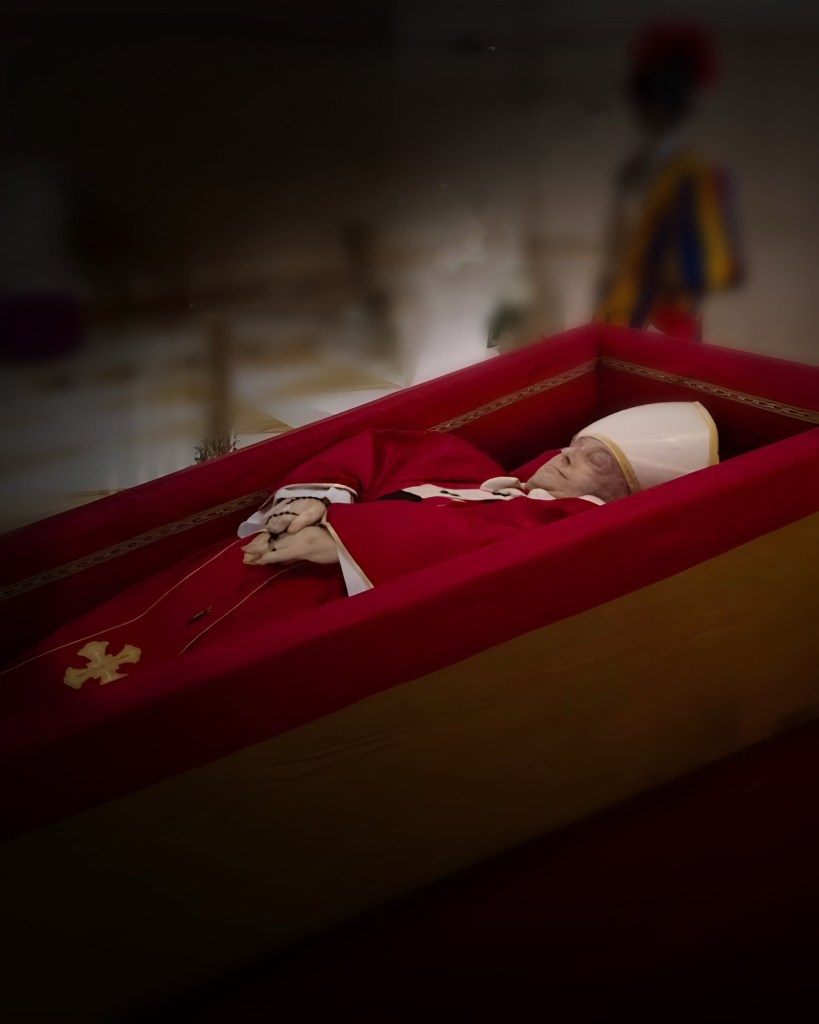
The recent passing of Pope Francis, a pontiff who dared to whisper words of welcome to the LGBTIQ+ community, casts a long shadow over Nigeria. While his gestures, however symbolic and ultimately limited in tangible impact, offered a flicker of hope to many marginalized Catholics globally, their resonance in Nigeria reveals a far more complex and deeply entrenched reality. Here, the pronouncements of a distant leader, however progressive, collide with a potent cocktail of fervent religiosity, colonial legacies, and a burgeoning, often hostile, cultural landscape that continues to demonize and criminalize queer identities.
Nigeria, a nation brimming with youthful energy, presents a fascinating paradox. As many young people drift from the pews of their parents’ traditional churches, a vibrant, digitally savvy brand of Christianity is taking root. Prosperity preaching, amplified by social media, preys on the anxieties of a generation grappling with economic hardship and uncertainty. While some of these newer denominations have occasionally courted controversy by broaching taboo subjects – Pastor Chris Oyakhilome’s comments on masturbation being a notable example – their engagement with LGBTIQ+ issues largely mirrors the staunch conservatism of established institutions like the Anglican and Catholic churches.
The influence of these mainstream Christian denominations on Nigerian life is undeniable. The Anglican Church, under the leadership of figures like the infamous Reverend Akinola, played a pivotal role in the passage of Nigeria’s draconian anti-gay law. This legal framework, fueled by religious dogma, continues to shape public discourse, and perpetuate violence and discrimination against queer Nigerians.
The narrative is further complicated by the fraught relationship young Nigerians have with traditional African religions. Often dismissed as “evil” – a direct consequence of colonial indoctrination – the nuanced perspectives of these indigenous faiths on queer issues remain largely obscured. Yet, historical and anthropological evidence suggests that pre-colonial African societies often held more fluid understandings of gender and sexuality, with some cultures even recognizing and celebrating same-sex relationships and diverse gender expressions. A nascent movement, fueled by social media influencers, is seeing some young Nigerians cautiously re-engage with their ancestral spiritualities, potentially opening avenues for more inclusive understandings.
Against this backdrop, Pope Francis’s relatively progressive stance on LGBTIQ+ issues, while groundbreaking for the Catholic Church, has yielded little tangible change for queer Nigerians. The fervent pushback from conservative African clergies underscores the deep chasm between pronouncements from Rome and the lived realities on the ground. While the Pope’s efforts to foster dialogue and extend a degree of welcome were significant first steps, they were met with fierce resistance within Nigeria’s deeply conservative religious establishment. The limitations of papal authority in reshaping deeply ingrained cultural and religious beliefs become starkly apparent in this context.
The truth remains stark: religion, a powerful force in Nigerian society, often acts as a unifying agent in the demonization of queer people. Across denominations, a shared hostility towards LGBTIQ+ individuals create a seemingly impenetrable wall of prejudice. Politicians, despite their own moral ambiguities, readily align themselves with religious leaders in condemning homosexuality, leveraging this stance for social capital and political gain.
For many queer Nigerians, including myself, the experience of navigating religious spaces has been one of profound alienation and trauma. Places meant for solace and belonging often become sites of intense spiritual violence. Innocent desires for community are met with condemnation, leading to brutal “deliverance” rituals – a localized manifestation of harmful practices recently and erroneously mislabeled as “conversion therapy” in Western contexts. Rooted in a belief that prayer can resolve any perceived affliction, including queerness, these practices inflict deep psychological and physical wounds.
Within a cultural landscape deeply saturated by the religious and moralistic narratives pervasive in even Nollywood’s storytelling, the public sphere offers scant space for secular, humanist, or queer-affirming perspectives that exist outside the dominant religious frameworks. Even among the highly educated and those with exposure to the diaspora, a visceral homophobia endures – often masked by a veneer of academic respectability but fundamentally rooted in the tenacious grip of religious dogma.
An increasing number of queer Nigerians are engaging in a process of religious reclamation, establishing inclusive faith communities and reinterpreting theological doctrines to affirm their identities. While this represents a potent act of resilience and self-determination, critical voices rightly express concern that such efforts can inadvertently echo colonial dynamics. These critics suggest that well-intentioned missionaries, including Black queer missionaries often from Western backgrounds, usually impose frameworks that don’t fully grasp or oversimplify African complexities.
Ultimately, the passing of Pope Francis compels a renewed confrontation with uncomfortable truths. Religion, as it currently manifests in Nigeria, persists as a vestige of colonial influence, frequently employed as a tool for the demonization and dehumanization of queer individuals. While faith possesses the inherent potential for liberation, its historical and contemporary application has too often resulted in the shackling of marginalized communities. Genuine transformation will necessitate more than symbolic gestures from the Vatican or impassioned campaigns from Western activists and missionaries. It will require a profound and unsettling reckoning – one that dismantles the very structures that have rendered God a weapon against love and acceptance.
And for a significant portion of us, this reckoning is long overdue.
Note: Unless otherwise indicated, the thoughts and opinions expressed in our blog section are those of the author(s) and do not necessarily reflect the views of TKC or its leadership.
 The Kolanut Collective
Leave a comment