By Arinze Agubalu
“A society that can handle the truth about its women is finally ready to grow up. Until then, anger remains a compass.”
Anger has always made people uncomfortable—especially when it belongs to women. For centuries, societies have learned how to contain it: dismiss it as hysteria, shame it as bitterness, or discipline it into silence. An angry man is often perceived as authoritative or decisive. An angry woman, however, is frequently labeled difficult, irrational, or dangerous.
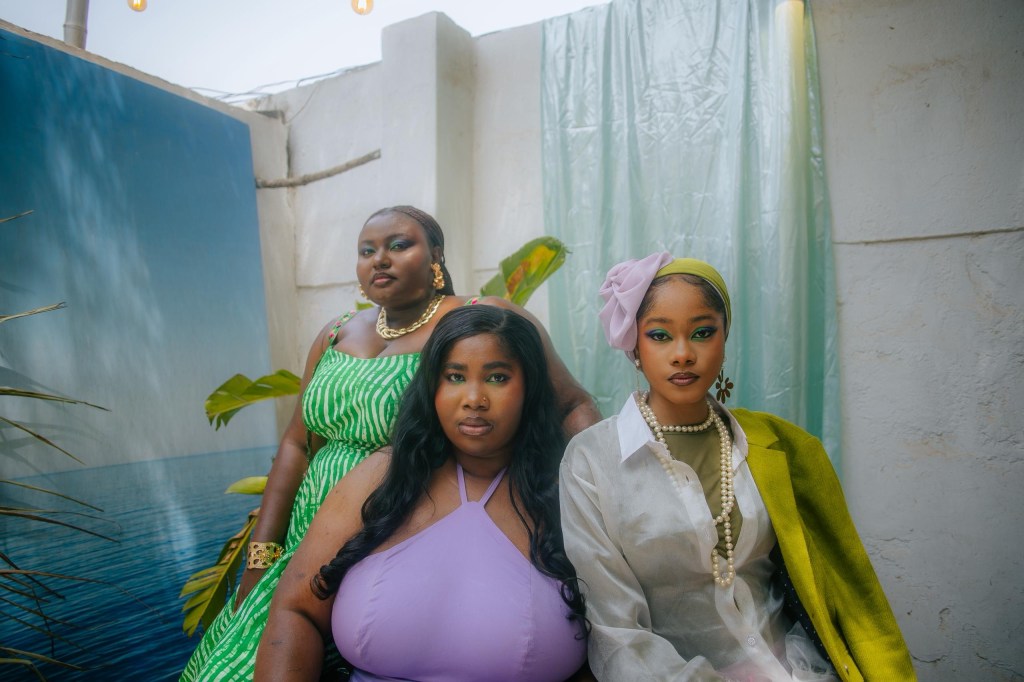
Across Nigeria’s digital landscape today, a new generation of feminists is rejecting that script. On TikTok and other social media platforms, young women are speaking plainly about misogyny, violence, culture, and power. They are loud where silence was once expected—and unapologetic about it. For many of them, anger is not a flaw. It is clarity.
The Making of an Angry Feminist
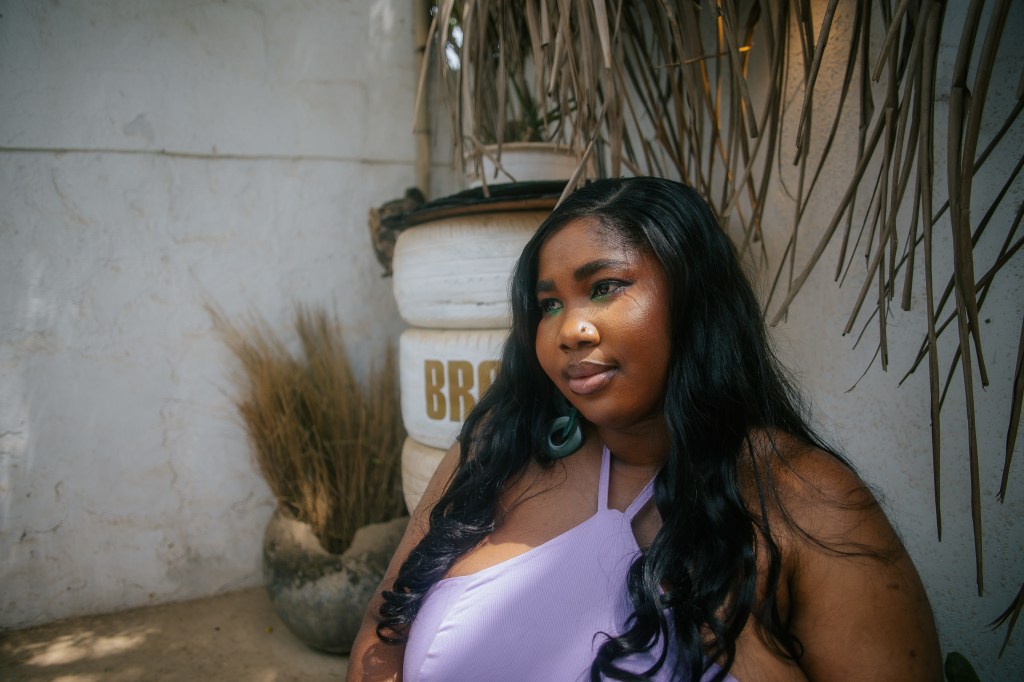
Agunwa describes herself as an angry feminist. But the anger she speaks of is not born from personal experiences with men, as critics often assume. It comes from witnessing the everyday realities women endure. Growing up with little to nothing, she admits, allowed her to see firsthand the structural inequalities that shape women’s lives—particularly those without social or economic protection.
“I may not be able to liberate all women,” she says. “But one step at a time.” She frames her activism with patience as much as urgency. “Rome wasn’t built in a day. I remind myself of that often. I give women grace. I support women’s rights and women’s wrongs.”
A Long History of Women’s Anger
Nigeria has seen the political power of women’s anger before. In 1929, thousands of women in southeastern Nigeria organized a mass uprising against colonial taxation and political exclusion. The protest—known as the Aba Women’s Riot—became one of the most significant anti-colonial revolts led by women. For weeks, women marched, sang, and surrounded colonial administrative buildings, demanding accountability. Their resistance shook the colonial administration and forced policy changes.
Decades later, the spirit of that defiance continues to echo through modern activism—from grassroots organizing to the digital frontlines of the #EndSARS Protests. Yet women’s anger remains uniquely policed. When women express outrage, they are often described as emotional, aggressive, or disrespectful. The goal, feminists argue, is not simply criticism—it is containment.
Why Women’s Anger Frightens Power
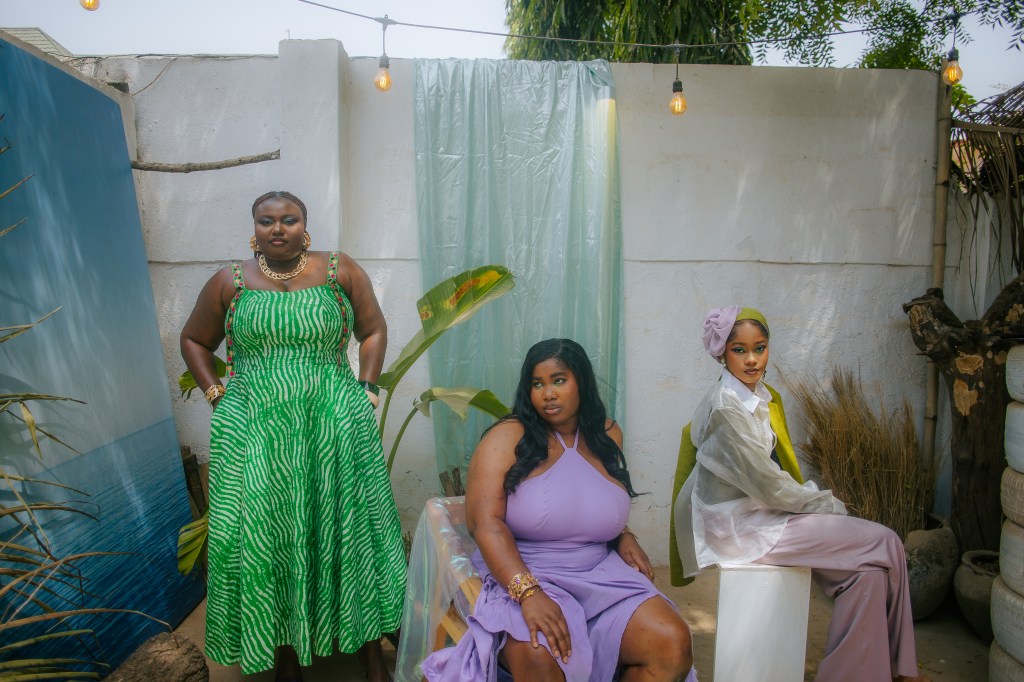
For Hauwa Abubakar, the urgency of feminist work is inseparable from the identities she carries. She is Muslim. Young. A climate action activist. And she belongs to a generation navigating both tradition and rapid digital transformation. Rather than avoiding those tensions, Hauwa confronts them directly. Online, she is part of a growing community of young women who are redefining feminism in Nigeria—publicly, unapologetically, and in real time.
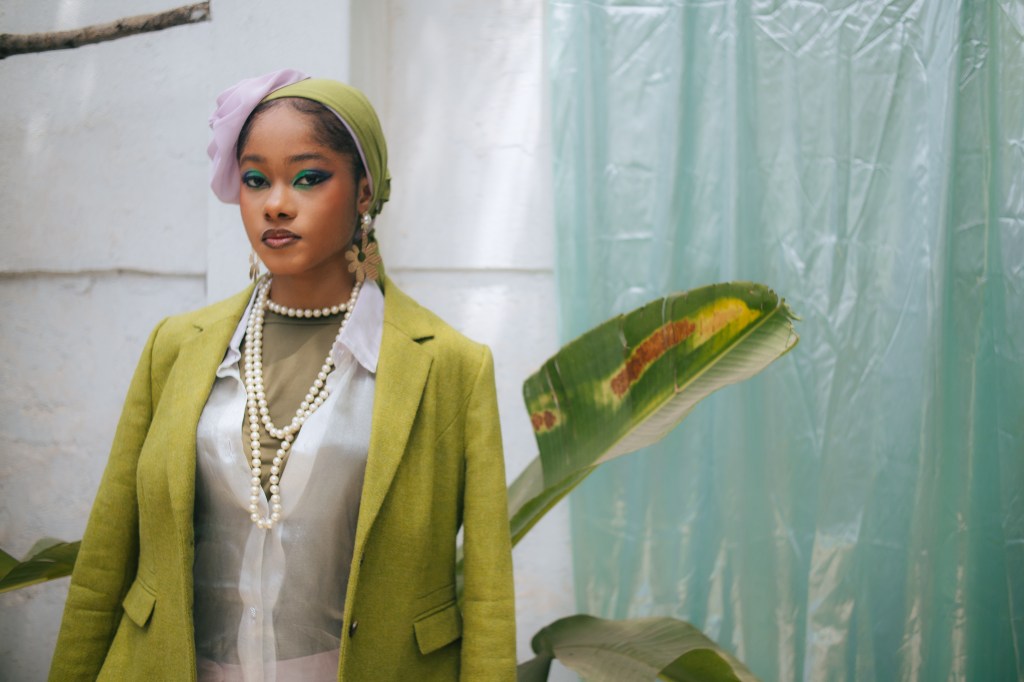
For centuries, systems of power have depended on women’s compliance. Anger disrupts that expectation. Hauwa explains that masculine anger is frequently treated as rational or justified, while feminine anger is quickly pathologized. Society, she says, works hard to individualize it—turning systemic injustice into a personal flaw. “She becomes the difficult person,” Hauwa explains. “The bitter feminist.”
The Double Standard of Emotion
“Women’s anger is often more feared and policed than men’s,” says Timmy, a digital advocate and womanist. “Because it disrupts established power hierarchies.”
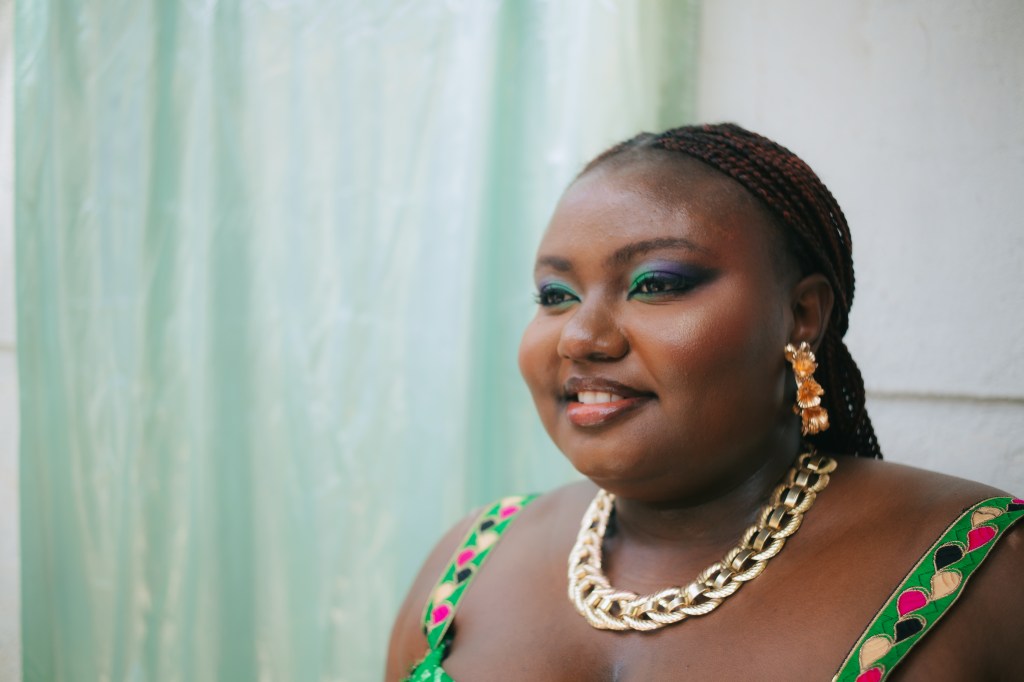
Agunwa sees the contradiction clearly too. Men’s anger, she argues, is often framed as logic or authority rather than emotion. “Men’s anger is taken as fact,” she says. “But it is just as much an emotion as women’s.” The difference lies in who is allowed to express it without punishment.
The Myth of the “Strong Woman”
Nigerian culture frequently celebrates the idea of the “strong woman.” She appears in sermons, speeches, and family narratives as a symbol of resilience. But many feminists say that praise often masks an expectation of silence.
Favour, a feminist writer and avid reader, describes the archetype more bluntly. “The ‘strong’ woman is the one who becomes comfortable with patriarchy,” she says. “A woman who can take whatever maltreatment it throws at her.” Women who reject that endurance are often framed as selfish or morally suspect. “Unlike we feminists,” she says, “who are seen as wild, untamed, and lacking morals simply because we refuse to sit through oppression quietly.”
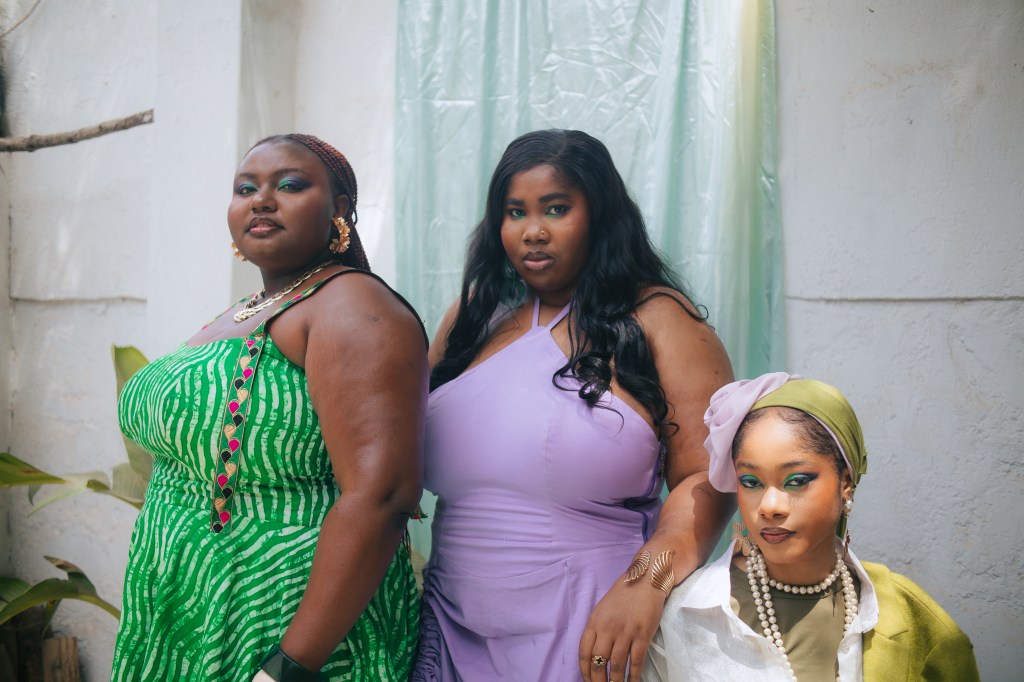
For Onyinyechi, a feminist media creator and fashion stylist, the “strong woman” archetype is ultimately a form of social control—one centered around marriage, childbearing, and maintaining the status quo. To challenge those expectations is to risk becoming the villain of the present. History, however, tends to remember such women differently.
Speaking Without Fear
Digital spaces have opened new possibilities for feminist expression—but they come with their own limitations. Online harassment, algorithmic suppression, and social stigma often force women to speak in coded language. Favour notes that discussions of sexual violence are frequently filtered to avoid censorship.
Women discussing rape online, she explains, sometimes replace the word with “grape” so their posts are not flagged or removed. “If women were truly free,” she says, “we could describe violence plainly—without softening it for anyone’s comfort.”
Onyinyechi imagines a world where women could openly analyze and challenge the systems shaping their lives. A world where more women would feel empowered to step forward.
Listening to the Anger
Nigeria does not need fewer angry women. If anything, it may need more.
Anger—when rooted in truth—has always been a catalyst for change. It exposes injustice, forces difficult conversations, and compels societies to confront what they would prefer to ignore.
When we dismiss women’s anger as bitterness, we lose an opportunity to understand what that anger is trying to reveal, the intersections it creates and the opportunities it presents for us. From the markets of Aba in 1929 to the digital platforms of today, women have consistently refused silence. The question is no longer whether women will continue to speak.
They will.
The real question is whether society will keep missing the opportunity to listen.
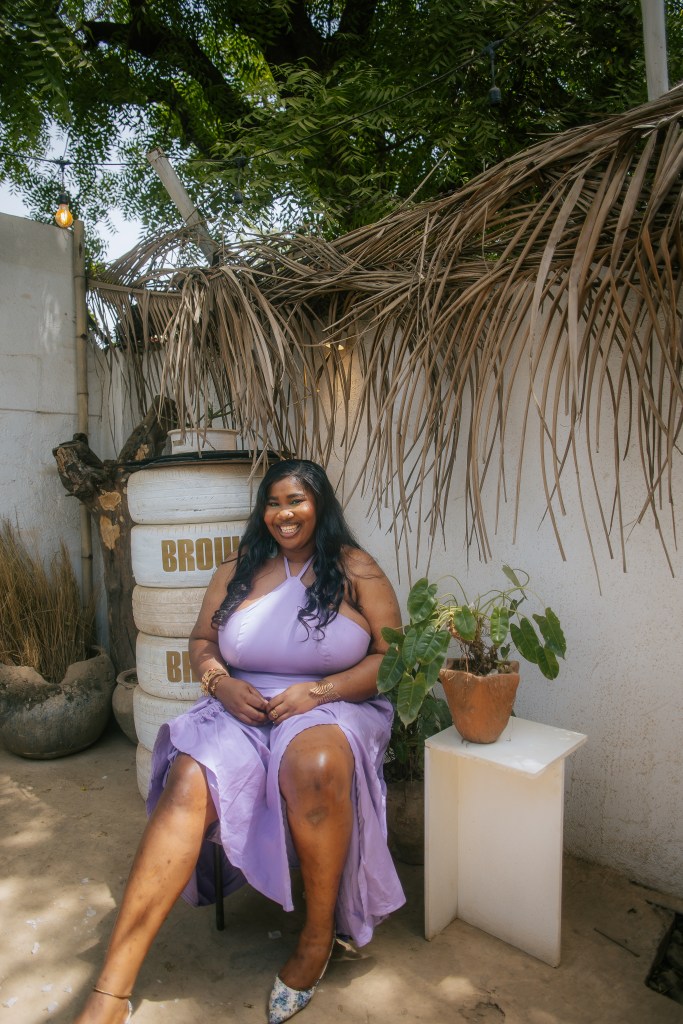
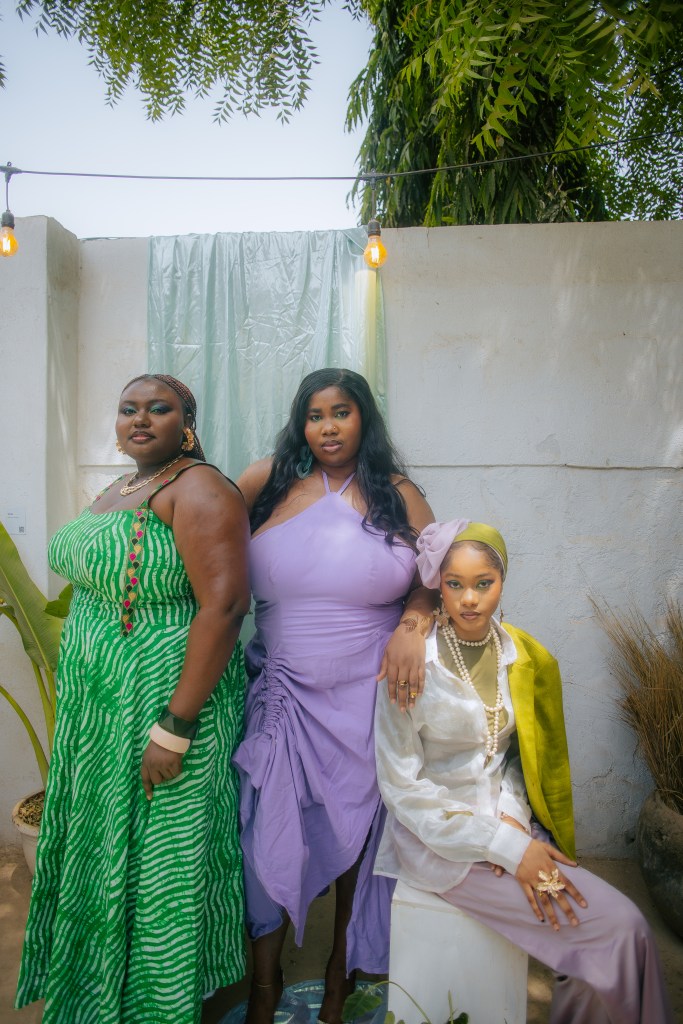
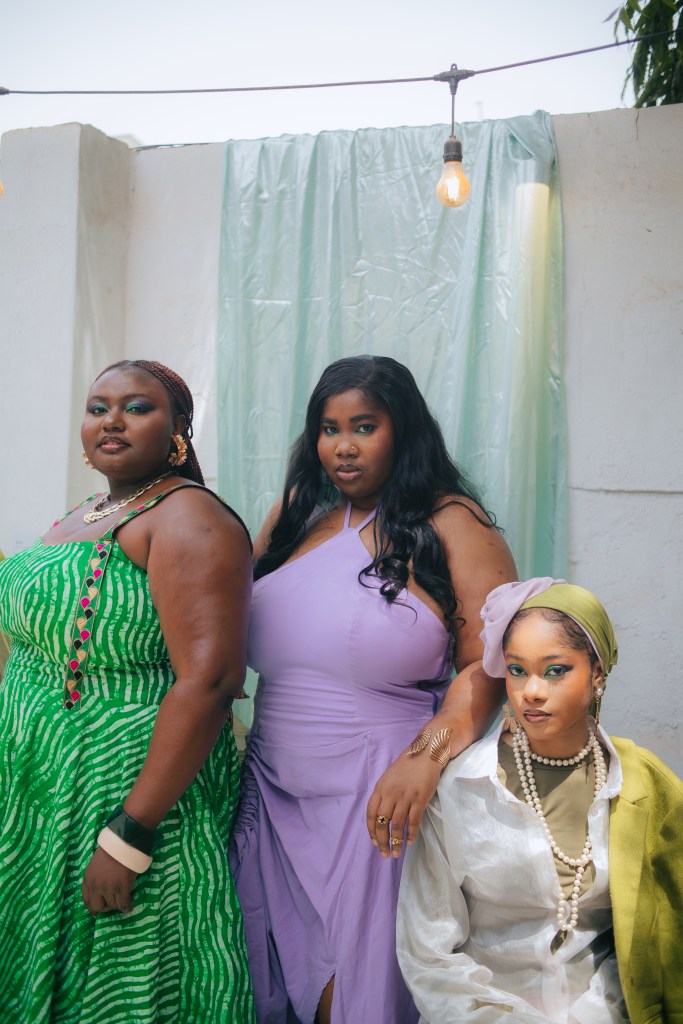
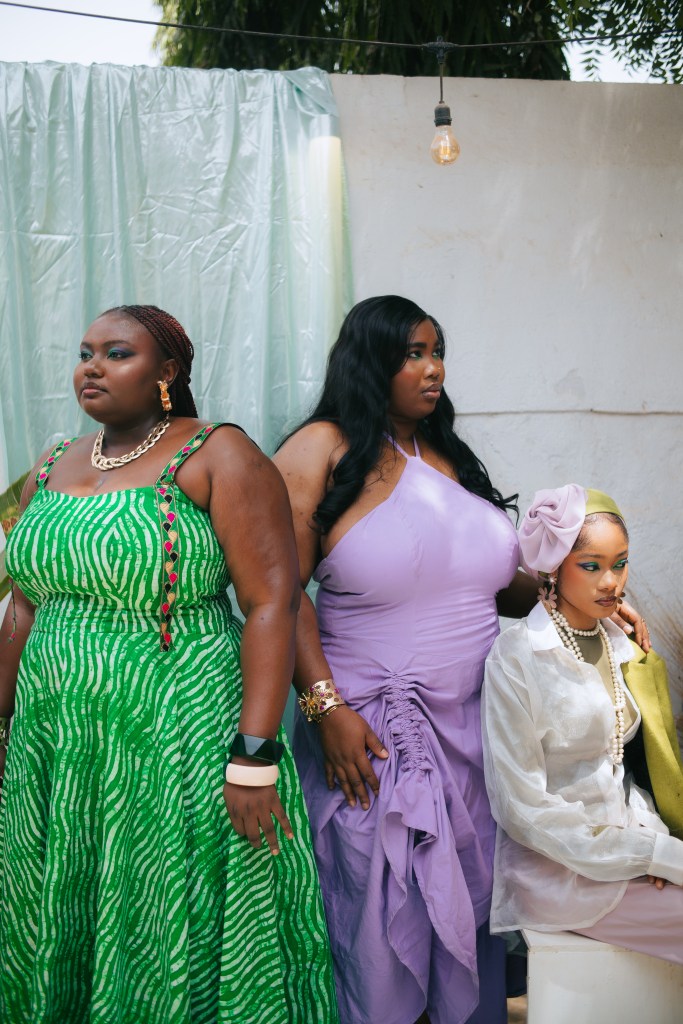
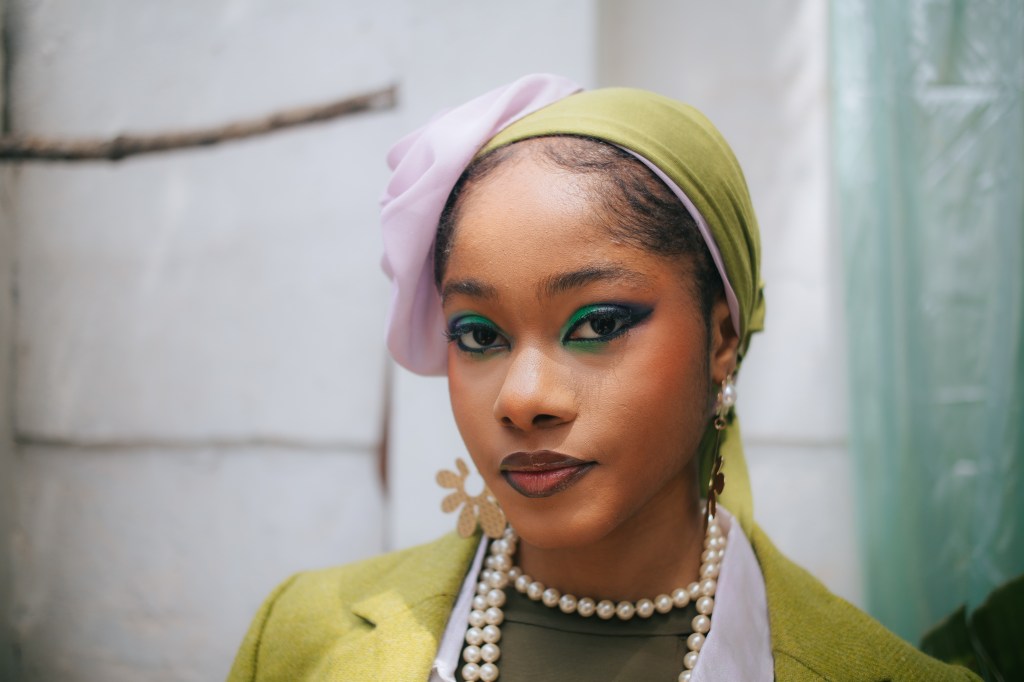
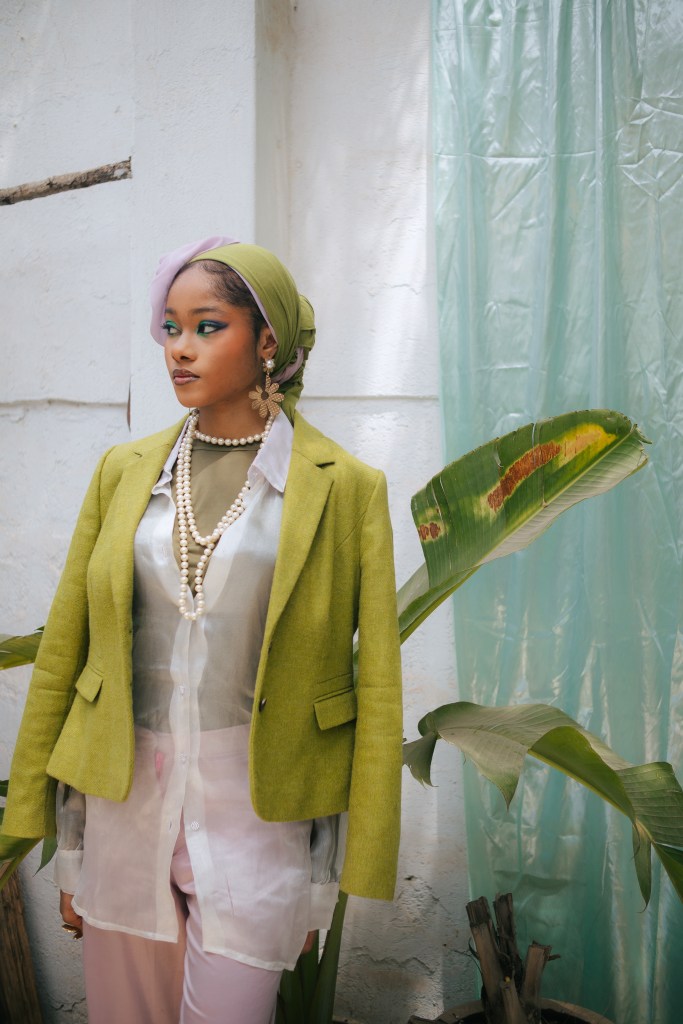
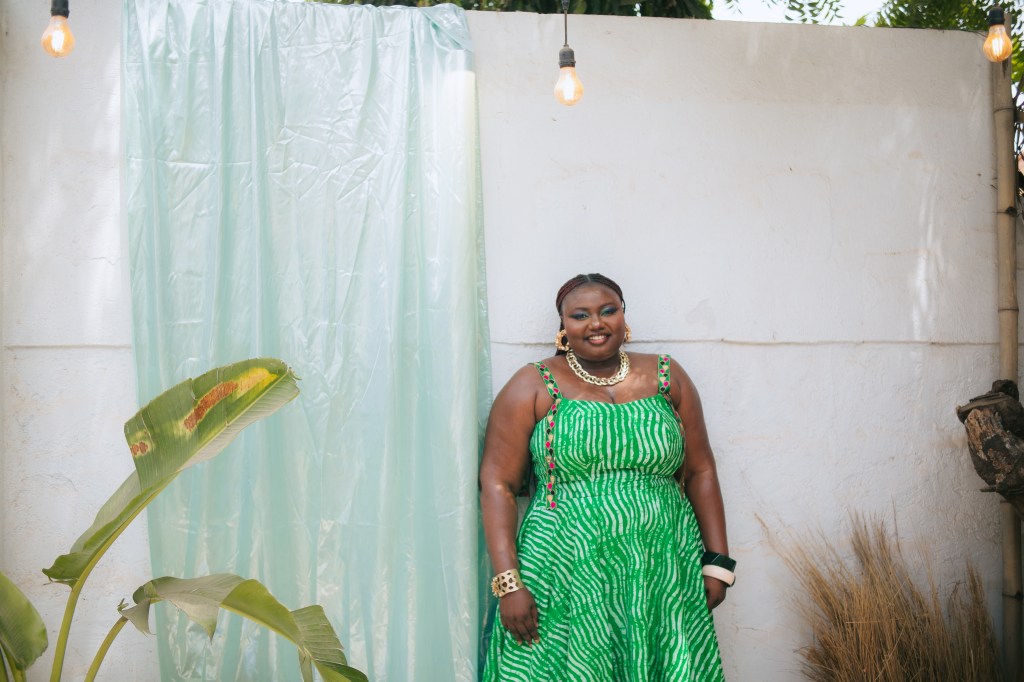
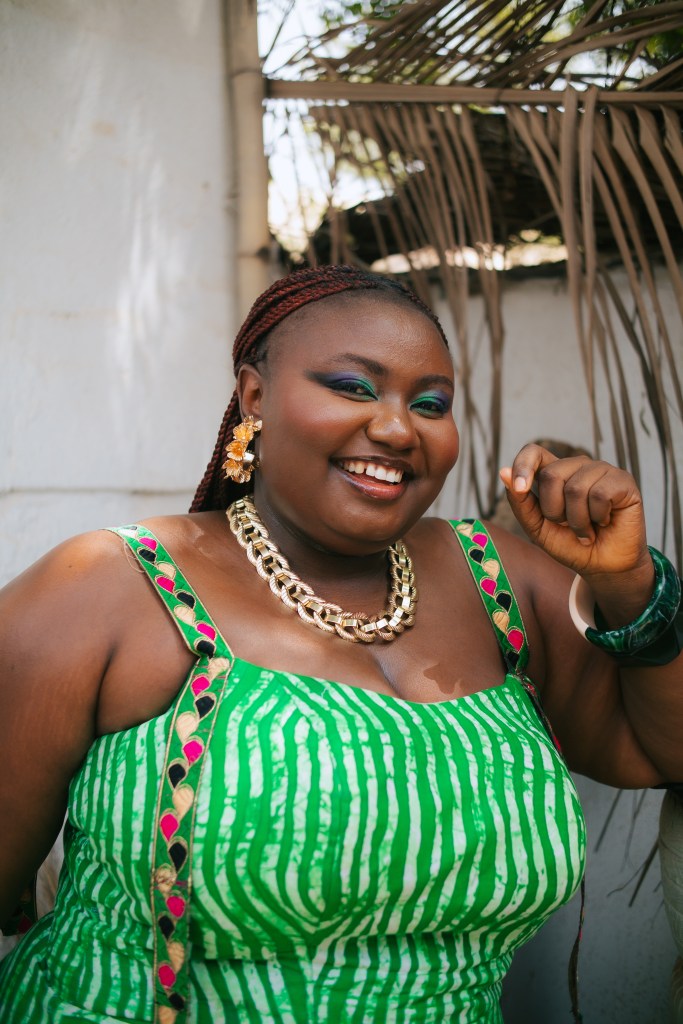
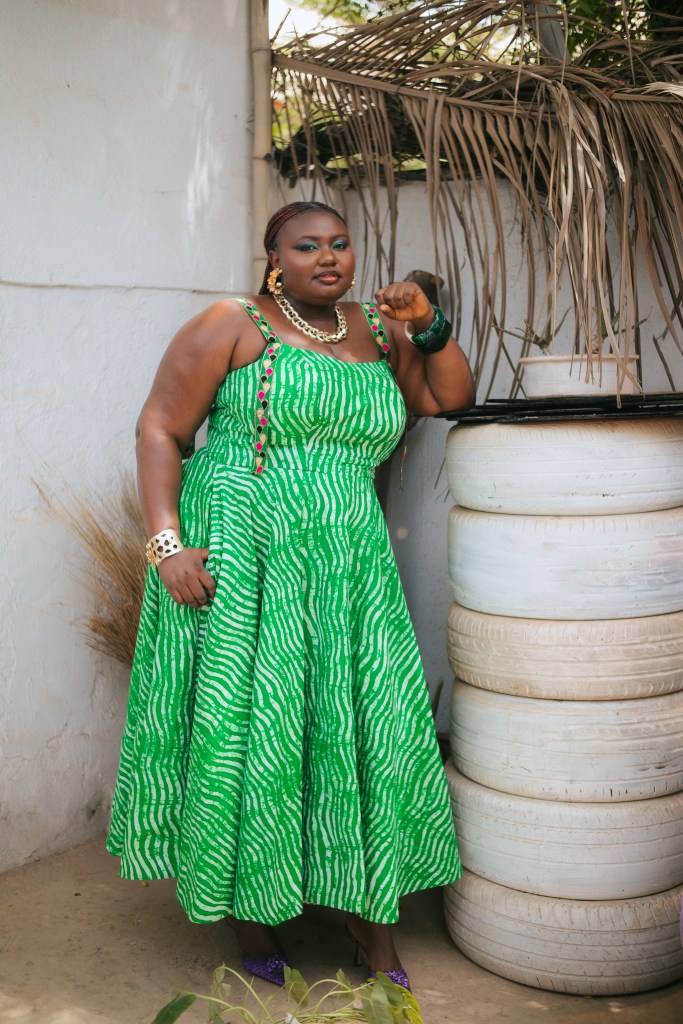
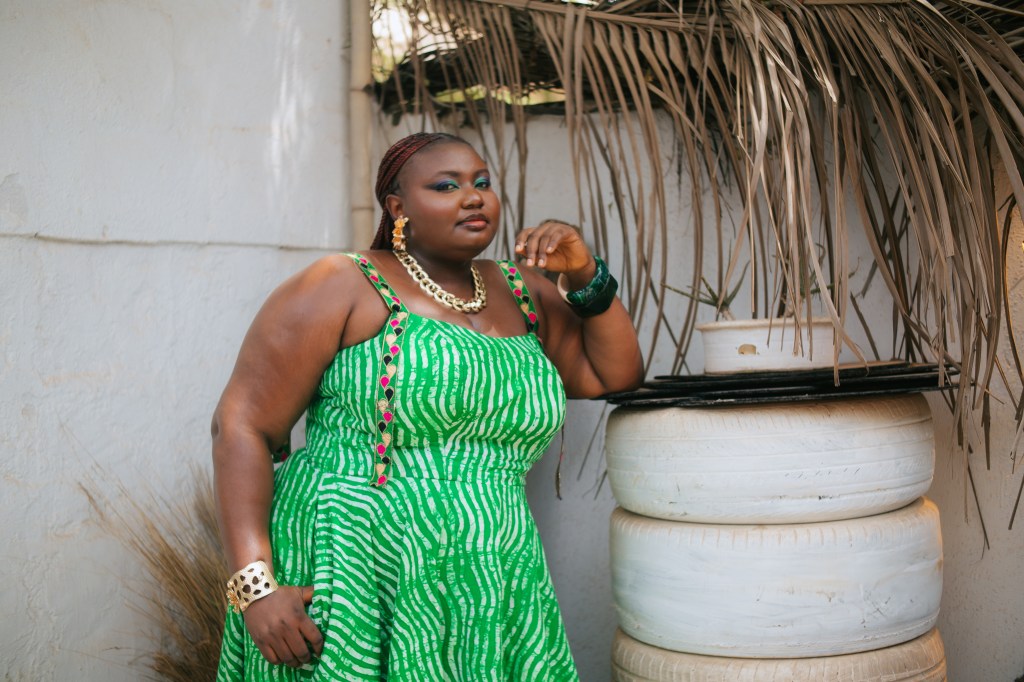
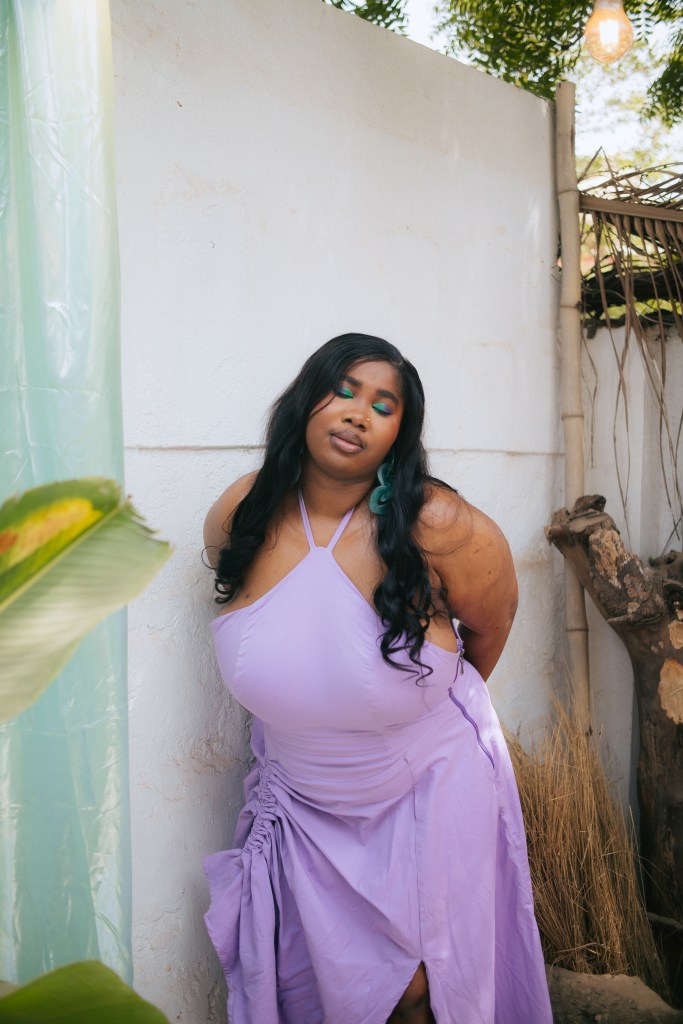
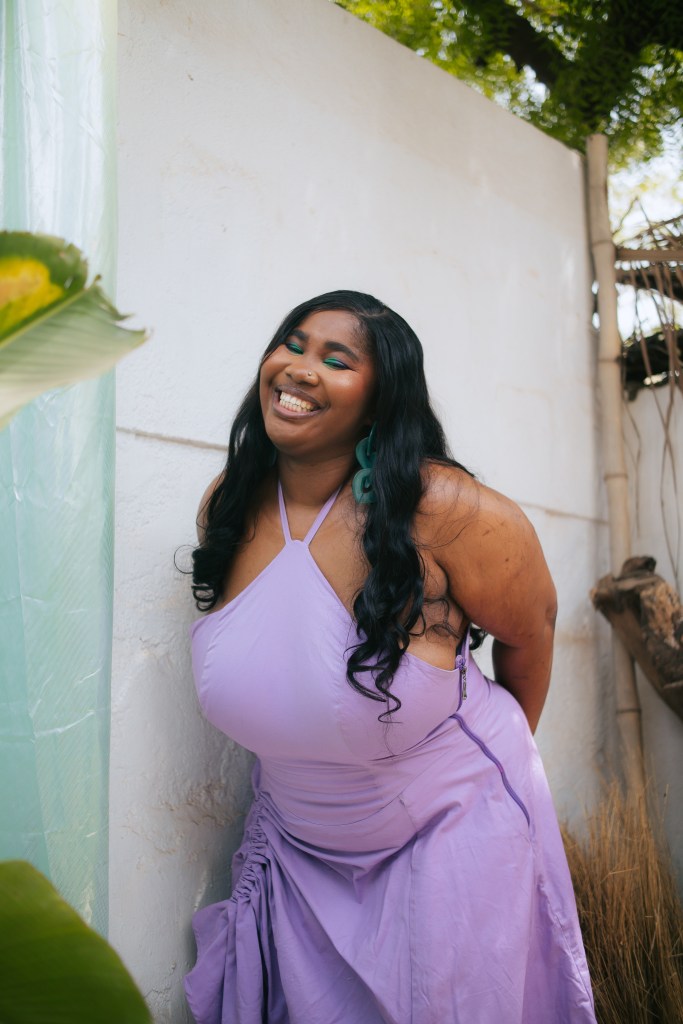
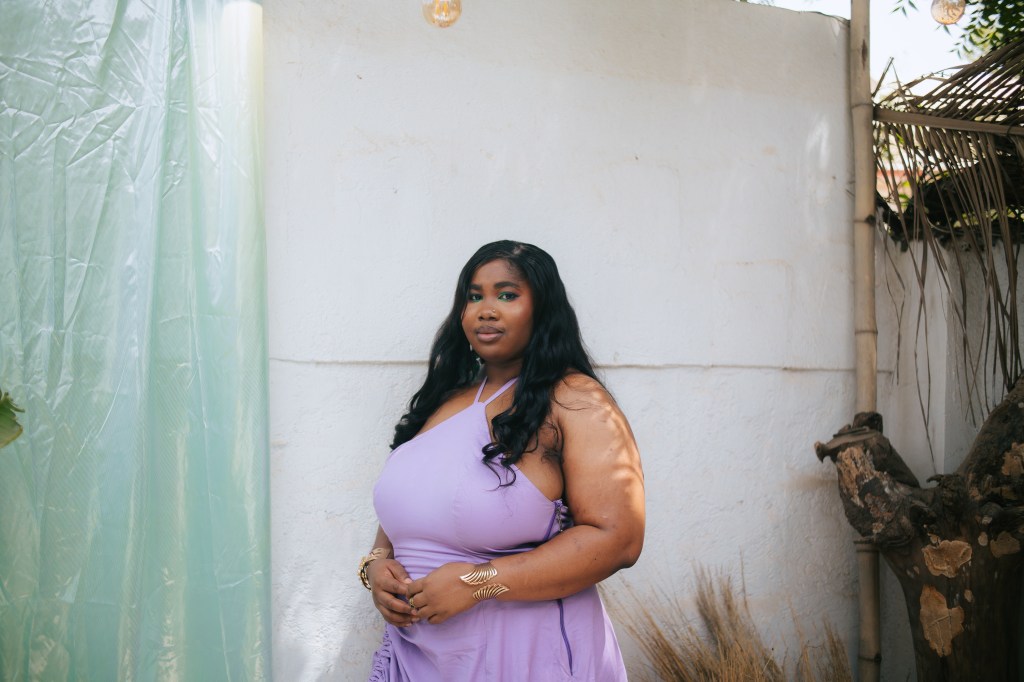
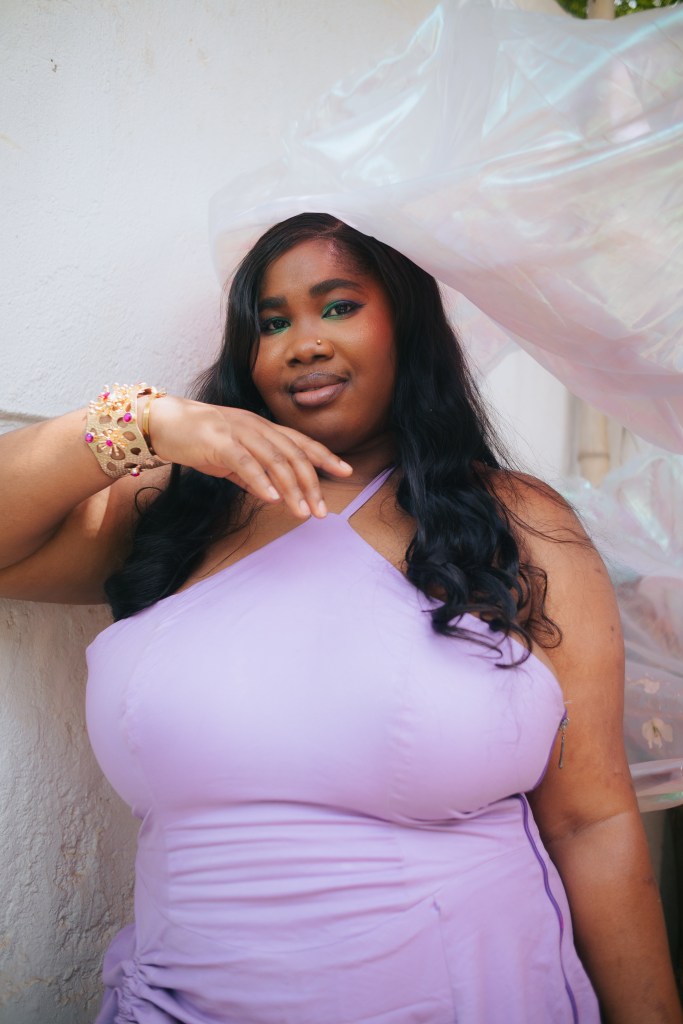
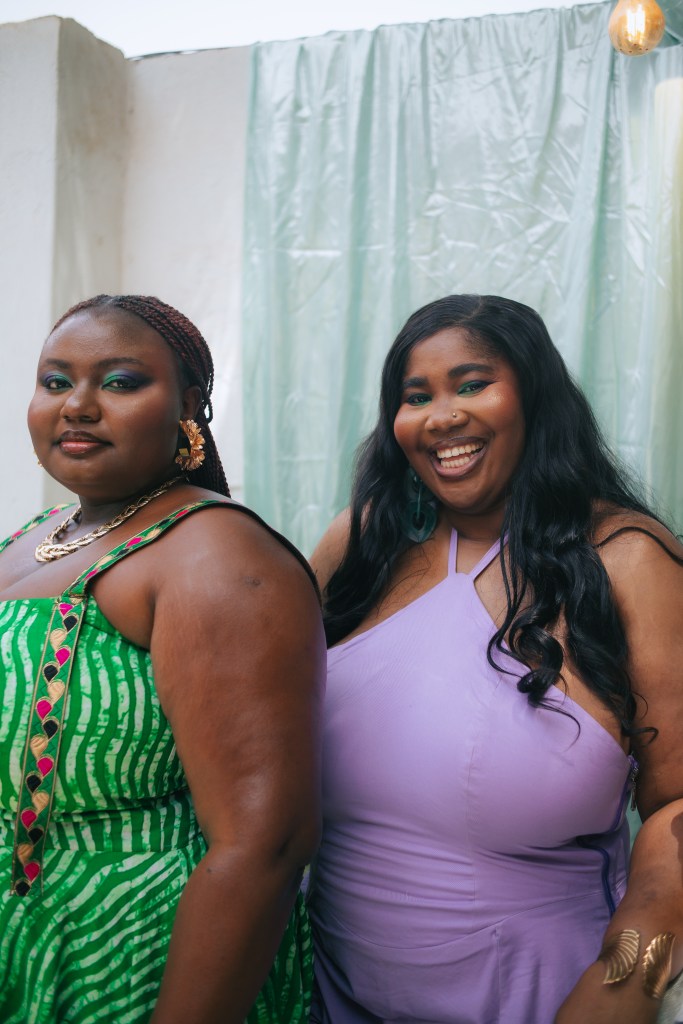
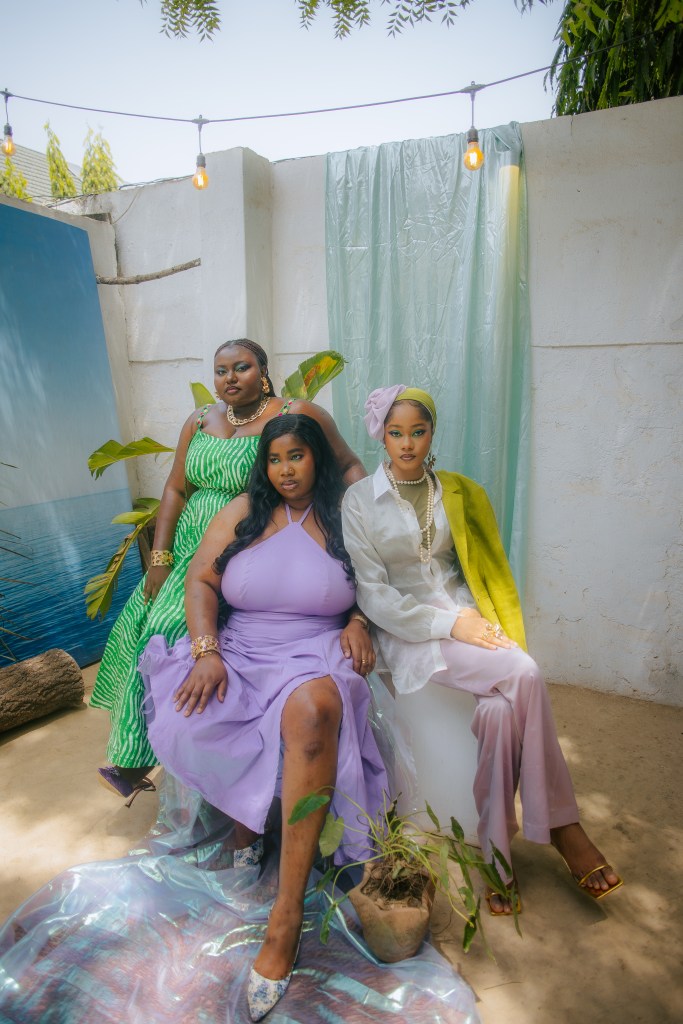
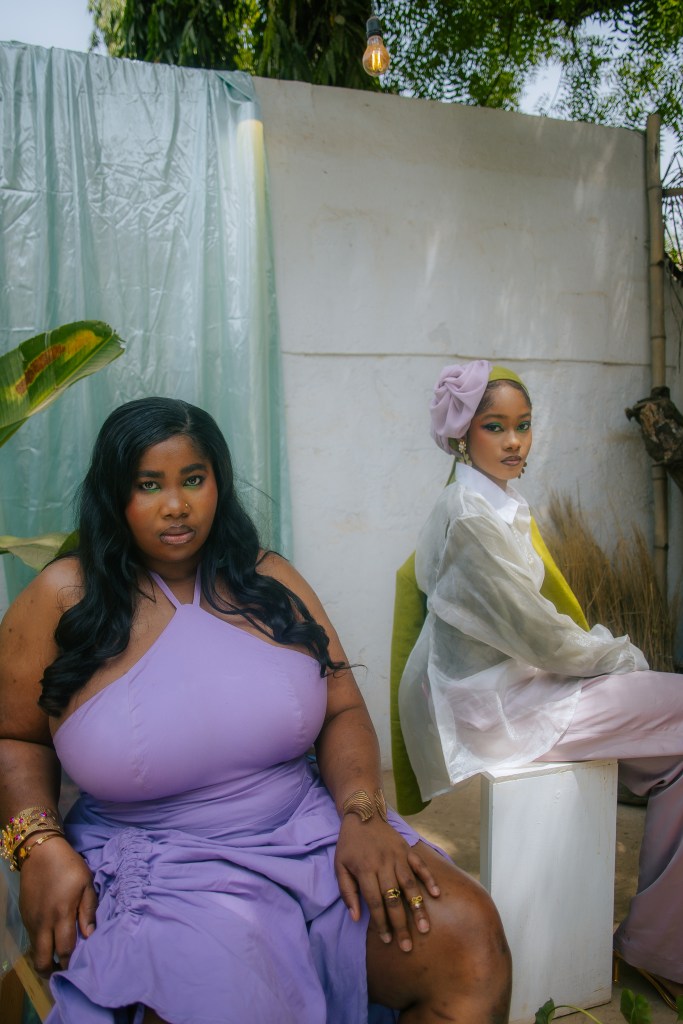
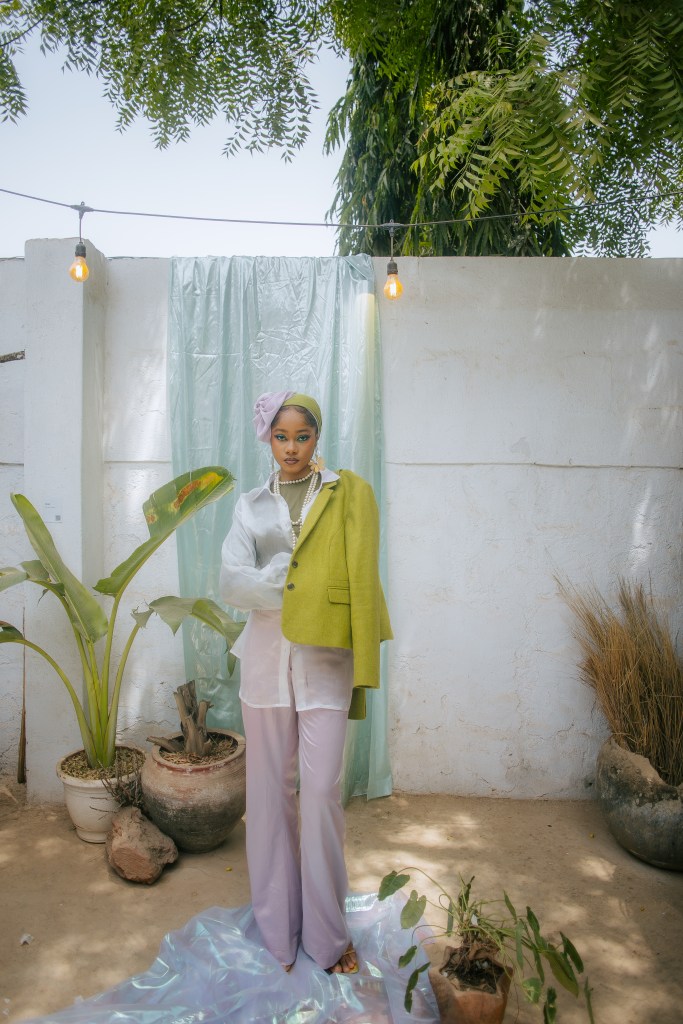
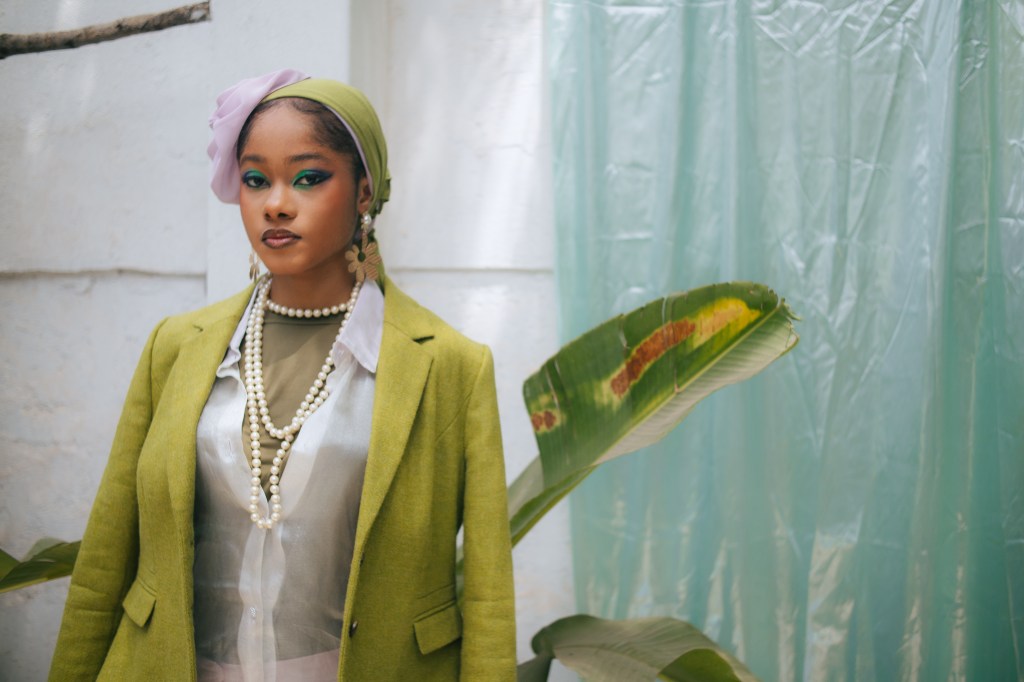
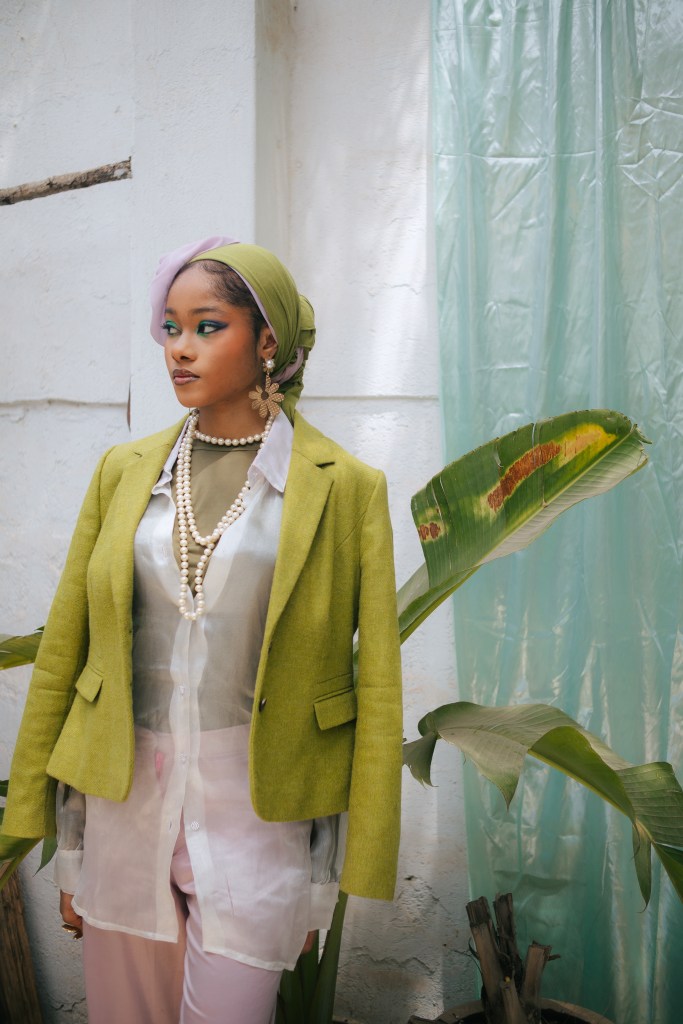
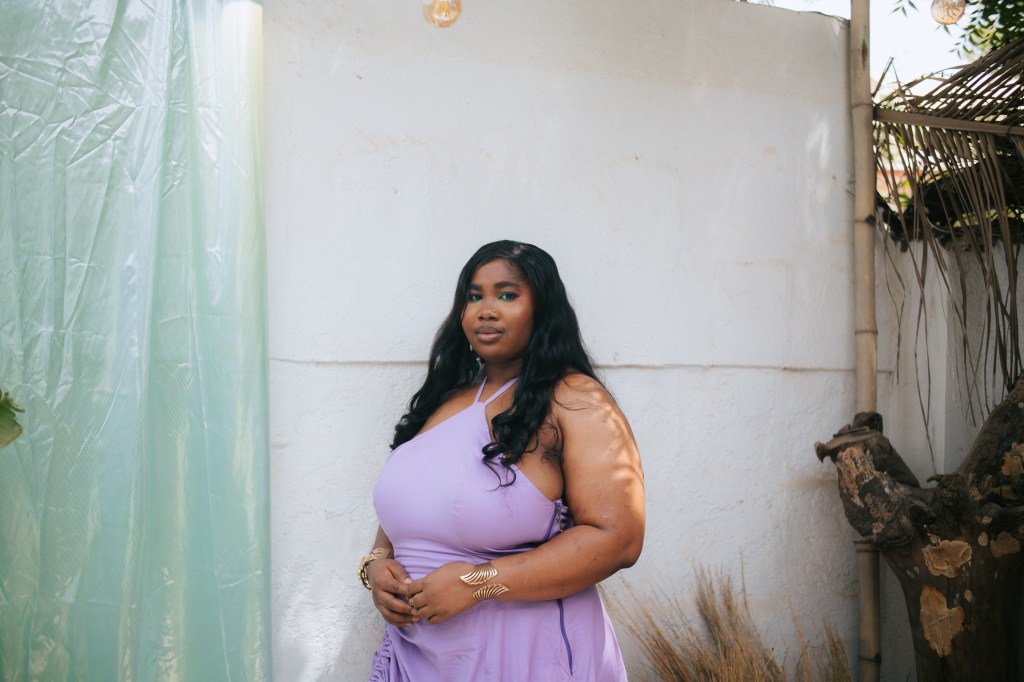
Production: @_tkcollective
Photography & Creative Direction: @alexandraobochi
Styling: @kontzstyling
Makeup: @mbs_touch_mb
Space: @troislumiere
Models: @asanwanyienugu_, @daughterofnaomi, @HoneyHauwa, @Bruja_Diary, @onyiyechi_blossom
 The Kolanut Collective
Leave a comment